Short answer
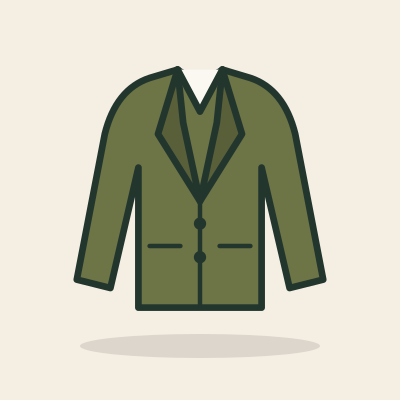
Add one "staff signal" to every outfit: a collar, a blazer, trousers instead of joggers, or leather shoes instead of running shoes. Teachers who are close in age to their students benefit most. Avoid what students wear that week (logo hoodies, athletic sets). Science, art and shop teachers need closed toe shoes and fitted sleeves for lab safety.
Seven secondary outfits
- Olive blazer, white tee, dark jeans, loafers (jeans days).
- Button-down, chinos, leather sneakers.
- Fine knit sweater over a collared shirt, trousers, loafers.
- Midi skirt, tucked knit top, cardigan, ankle boots.
- Wide leg trousers, fitted turtleneck, clogs.
- Quarter zip, polo, chinos, leather sneakers.
- Knit blazer, blouse, pull-on dress pants, flats.
By subject
Subject specific adjustments
| Subject | Adjust |
|---|---|
| Science labs | Closed toe shoes, long pants, no dangling sleeves or scarves |
| Art | Dark or patterned fabrics, an apron, washable everything |
| Career and technical education | Closed toe work shoes, fitted clothing near machines, follow shop safety rules |
| Music and theater | Black basics for concerts; check the director’s dress rules |
| Coaches | See the PE guide; game days may call for team colors |
-
01Staff signal
-
02Staff signal
-
03Shoes
Coaching or PE? Gym teacher outfits. Interviewing? Interview outfit.
Questions people ask
How can young teachers look older than their students?
Collars, blazers, structured bags and leather shoes. Skip hoodies, joggers and trend pieces students wear. A lanyard with your staff ID also helps.
What should science teachers wear?
Closed toe shoes, long pants, and sleeves that do not dangle; tie back long hair and loose items in labs. Follow your school’s lab safety rules and the goggles and apron requirements there.
Last reviewed October 29, 2026. Listings and district policies change; your own dress code and staff handbook come first.