Short answer
Choose shoes with arch support, a cushioned insole and a low, wide heel, in the style your dress code allows: loafers or flats for strict codes, clogs or leather sneakers for business casual, cushioned walking sneakers where athletic shoes are allowed. CCOHS advice for standing work: arch supports, no very high heels, a shock absorbing cushioned insole on hard floors, and try shoes on and walk in them before buying. The APMA Seal of Acceptance database lists shoes a podiatrist panel has reviewed.
Five features to check
Shoe features for standing work
| Feature | How to check | Why |
|---|---|---|
| Arch support | The insole rises under your arch, not flat | CCOHS: without it the foot can flatten |
| Cushioned insole | Press it; it should give and spring back | Hard classroom and hallway floors |
| Low, wide heel | A small heel, not a very high one | CCOHS advises against very high heels; a small heel can ease Achilles strain |
| Toe room | Wiggle your toes when standing | Feet swell over a long day |
| Removable insole | Lift it out | Lets you swap in your own support |
Source for the standing guidance: CCOHS, working in a standing position. Shoes reviewed by podiatrists are listed in the APMA Seal of Acceptance database.
Shoe styles by dress code
-
01Strict codes
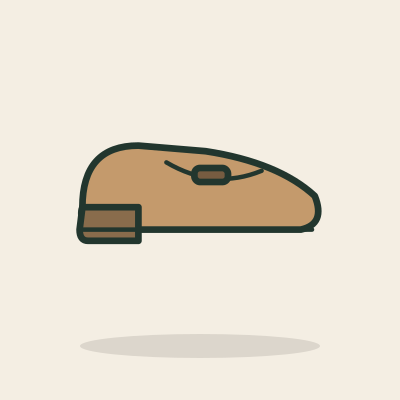
Cushioned loafers
Best for: any code, with pants or skirts
- Codes
- Strict, business casual
- Look for
- Padded footbed, rubber sole
-
02Strict codes
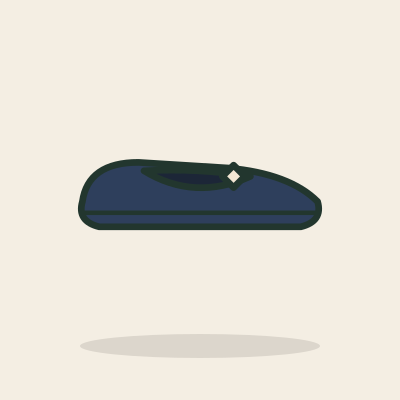
Flats with arch support
Best for: dresses and skirts
- Codes
- Strict, business casual
- Look for
- Contoured footbed, not paper thin
-
03Business casual

Professional clogs
Best for: long standing days
- Codes
- Business casual, casual
- Look for
- Rocker sole, heel lift room
-
04Business casual
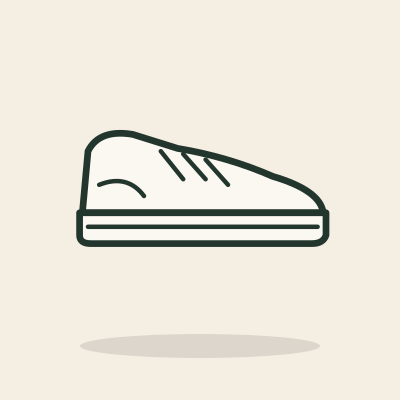
Leather sneakers
Best for: polished comfort
- Codes
- Business casual where allowed
- Look for
- Cushioned insole, plain upper
-
05Casual and PE
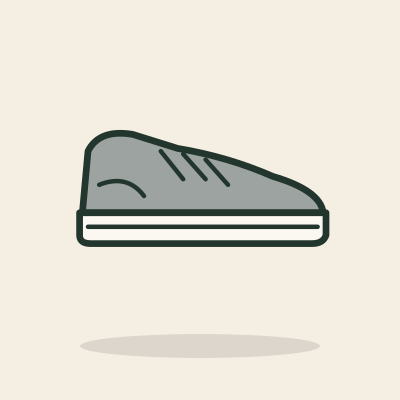
Cushioned walking sneakers
Best for: recess, field trips, PE
- Codes
- Casual, PE
- Look for
- Arch support, non-marking sole for gyms
Beyond the shoe
- Insoles: an arch support insole can add support to shoes you already own. Arch support insoles.
- Compression socks: many standing workers wear them; prolonged standing can cause leg swelling (CCOHS). Compression socks.
- Move: CCOHS also recommends changing position and walking breaks instead of standing still. Teaching from different spots in the room helps.
- Mats: if you stand in one spot (a demo table or desk), a firm anti-fatigue mat helps; CCOHS warns that very thick foam mats can add fatigue and a trip hazard.
Shoes by outfit: teacher outfit ideas. Shoes for PE: gym teacher outfits.
Questions people ask
What shoes are best for teachers who stand all day?
Shoes with arch support, cushioning and a low, wide heel. In practice that is cushioned walking sneakers, professional clogs, cushioned loafers or flats with a supportive footbed, depending on your dress code.
What does the APMA Seal of Acceptance mean?
It is awarded by the American Podiatric Medical Association after a review by podiatrists. Only products whose makers submit them are reviewed, so a shoe without the seal is not necessarily bad. You can search the seal database by category.
Do compression socks help teachers?
Many people who stand at work wear them for leg comfort. CCOHS notes that prolonged standing can cause swelling of the legs. If you have a circulation or medical condition, ask a doctor before using compression.
Are clogs good for teachers?
Clogs are popular with teachers and nurses because of their closed toe and rocker sole. Fit matters: your heel should lift slightly as you walk, and your toes should not hit the front.
Sources
Last reviewed October 29, 2026. Listings and district policies change; your own dress code and staff handbook come first.